

6 Powerful Ways Reading the Bible Changes You

Many Christians know the importance of reading the Bible. And you’ve probably heard people talk about how reading the Bible changed their lives. But what does that actually mean? What exactly changes? And what if you’ve been reading it yourself without noticing much difference? Can the Bible really change your life?
Yes, reading the Bible can change your life. For centuries, people have experienced profound transformation through God’s Word, and Scripture helps us understand why. Romans 12:2 describes the renewing of our minds, while 2 Timothy 3:16–17 explains how God’s Word teaches, corrects, and trains us in righteousness. The Bible doesn’t only give us knowledge about God, it shapes how we think, challenges how we live, and helps us become more like Christ.
Sometimes that transformation is dramatic. Other times, it happens gradually, in ways we may not immediately recognize.
Quick Guide
What Does It Mean for the Bible to Change Your Life?
Christian transformation is not about becoming more productive, learning positive thinking, feeling encouraged every day, or eliminating every personal struggle. Biblical transformation involves becoming more like Christ— the rest is a result thereof.
In Romans 8:29 and 2 Corinthians 3:18, we see that God is the One who transforms us through the Holy Spirit, and Scripture is a primary means He uses to reveal His truth. It’s important to distinguish information accumulation from spiritual maturity; a person may know many biblical facts without responding faithfully to what they have learned.
The goal of Bible reading isn’t to know more about the Bible, it’s to know God more deeply and respond to what He has revealed.
The Evidence: What the Research Says About Life Change
While spiritual growth is ultimately the work of the Holy Spirit, empirical research gives us a striking picture of what happens when we consistently engage with God’s Word.
Data shows that access to a Bible isn’t the issue—74% of Christians own a Bible, but only 42% read it weekly¹. The real difference comes down to frequency. According to a landmark study by the Center for Bible Engagement, interacting with Scripture four or more times a week creates a statistical tipping point in a person’s life. At this frequency, individuals are 59% less likely to view X-rated content and 30% less likely to struggle with loneliness.
But what happens when engagement becomes a near-daily habit?
In a recent internal study of over 1,400 Christians conducted by Walk Thru the Bible², the data revealed a massive link between daily Scripture reading and emotional flourishing. Among highly engaged Bible readers (those reading 6 to 7 times a week):
- 97% reported an increased sense of peace and a lack of worry.
- 94% reported experiencing a profound feeling of joy.
- 91% became more aware of the physical and/or spiritual needs of others.
- They were 238% more likely to share their faith with a nonbeliever.
This data proves that the Bible doesn’t just change our theology; it actively changes our daily behaviors, habits, and emotional well-being.
How Does Reading the Bible Change Your Life? Six Ways God’s Word Shapes Us
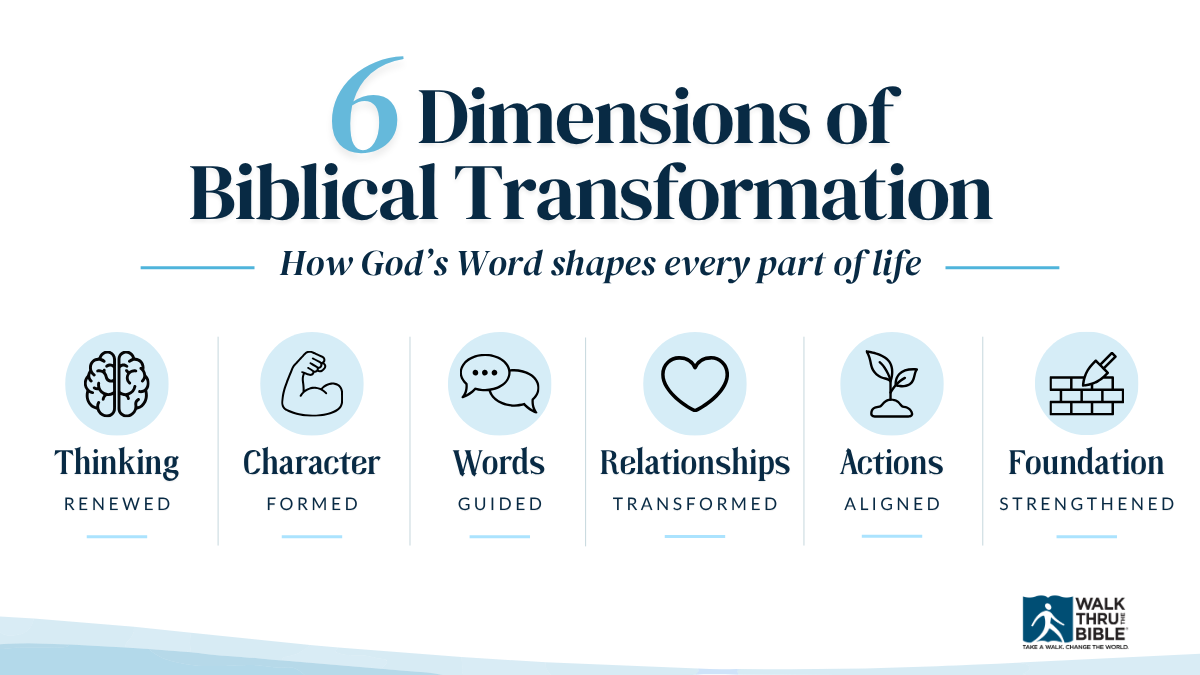
The Bible describes transformation reaching into our thinking, character, conversations, relationships, decisions, and the foundations of daily life. Let’s explore these six areas of change.
1. God’s Word Changes the Way You Think

Romans 12:1-2 calls believers to offer their lives to God and resist conformity to the patterns of the present age. Transformation involves renewed thinking, priorities, and discernment. God’s Word can challenge assumptions—like reconsidering a prejudice or belief you’ve carried for years—and help you recognize what is really true.
Reader Question
What belief or pattern of thinking might God be challenging through His Word?
2. God’s Word Shapes Your Character
In 2 Timothy 3:14–17, Paul describes Scripture as God-breathed and useful for teaching, correction, and training in righteousness. This is how God equips believers for good works. Scripture confronts our attitudes, reveals what needs correction, and encourages faithful conduct.
Reader Question
What attitude or habit might God be revealing or training you to address?
3. God’s Word Changes the Way You Speak

Paul teaches believers to speak in ways that build others up (Ephesians 4:25-32). When Scripture shapes our understanding, it leads to speech that demonstrates grace, wisdom, honesty, and compassion. This might look like choosing restraint or encouragement during a difficult conversation rather than speaking harshly.
Reader Question
How might God’s Word change your next difficult conversation?
4. God’s Word Changes How You Treat Others
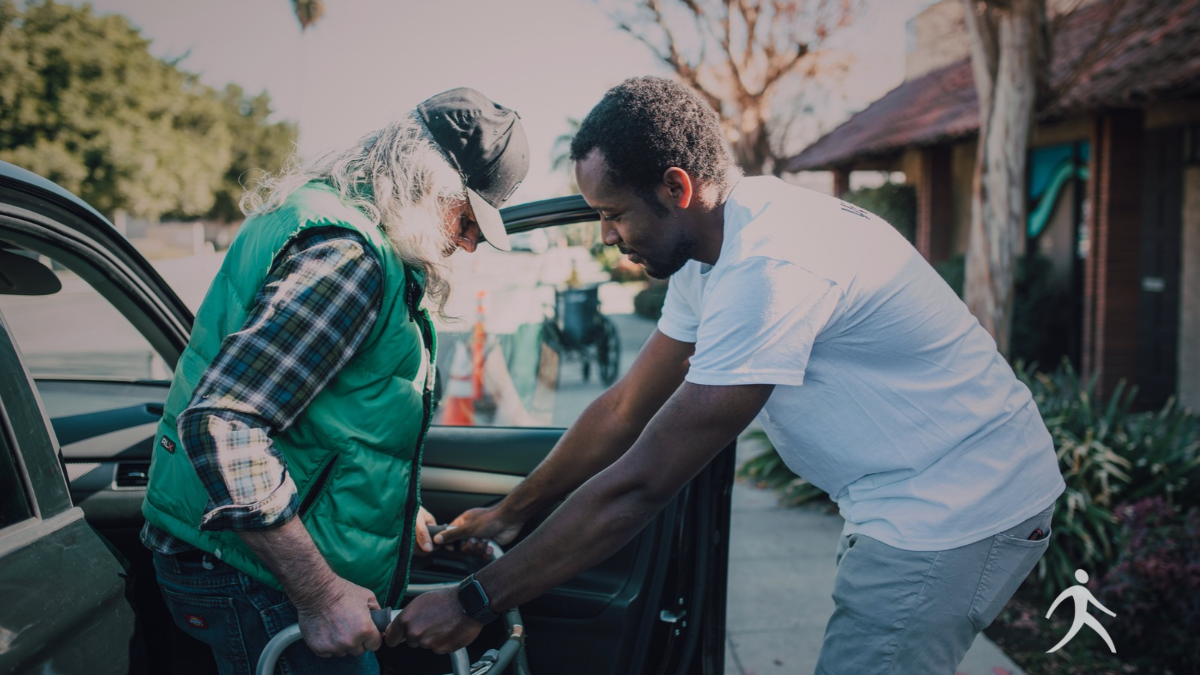
Biblical instruction reaches deeply into our relationships. In Colossians 3:12–14, we are called to explore compassion, kindness, humility, patience, forgiveness, and love within Christian community. This translates to showing patience during conflict, helping someone in need, or addressing a broken relationship with humility.
Reader Question
Where is one opportunity to practice Christlike compassion or forgiveness today?
5. God’s Word Changes What You Do

James uses an unforgettable illustration of someone looking into a mirror and walking away, immediately forgetting what they saw (James 1:22–25). The problem isn’t that they failed to hear God’s Word. It’s that what they heard made no difference in how they lived.
This goes for us: we can read what Scripture teaches about compassion, forgiveness, and love, even agree with every word, yet struggle to practice those truths in our relationships. James reminds us that God’s Word isn’t simply meant to be heard and understood. It’s meant to shape the way we live.
Reader Question
What is one truth you already know that you could put into practice today?
6. God’s Word Shapes Your Foundation

Psalm 1:1–3 describes the person who delights in the Lord’s instruction as a tree planted beside streams of water—rooted, nourished, and able to bear fruit. In Matthew 7:24–27, Jesus concludes the Sermon on the Mount with a powerful illustration of two builders: one who hears His words and puts them into practice, and another who hears but does not put them into practice.
Notice that both houses face the same storm. Following Christ doesn’t mean we’ll be spared from life’s difficulties, but as we continue to hear and live according to God’s Word, we build our lives on a foundation that can withstand the storms when they come.
Reader Question
What foundation are your present choices helping you to build; a life built on sand or a life built on rock?
What If You’re Reading the Bible but Don’t Feel Like You’re Changing?

You might be thinking: “I’ve been reading the Bible, but I still struggle with anger. I still worry. I keep making the same mistakes. I don’t feel spiritually different. Am I doing something wrong?”
Spiritual transformation is often gradual. Understanding something and consistently living it are not always the same. Sometimes God’s Word challenges us before it comforts us. Sometimes it reveals something we would rather not confront.
Consider Peter. He spent years walking with Jesus, listening to His teachings, and witnessing His miracles. Yet when Jesus was arrested, Peter denied knowing Him three times (Luke 22:54–62).
But Peter’s failure wasn’t the end of his story. Jesus later restored him (John 21:15–19), and we eventually see Peter boldly proclaiming the gospel in Acts 2. Even then, Peter was still growing. In Galatians 2:11–14, Paul confronted him because his actions toward Gentile believers contradicted the truth of the gospel.
Peter’s story reminds us that spiritual growth doesn’t mean we’ll never struggle or make mistakes again. Even as we grow in faith, there may still be attitudes, habits, and ways of thinking that God needs to address.
Sometimes growth looks less like a dramatic breakthrough and more like learning to respond differently, one decision at a time.
How Can You Study the Bible and Apply It to Your Life?
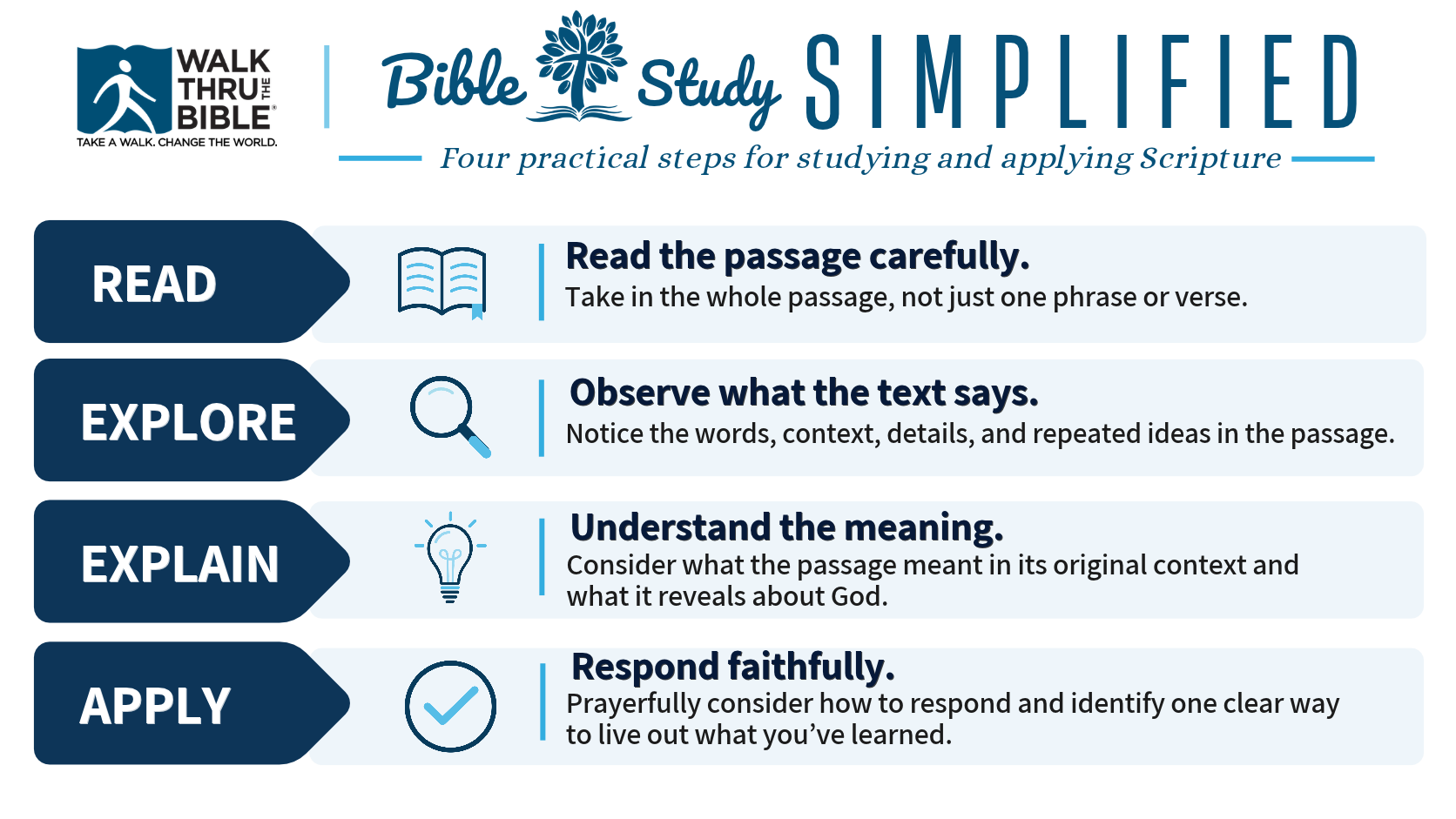
There are many ways to study Scripture and apply it to your life. If you’d like a more concrete approach, we’ve developed Bible Study Simplified. It’s a way to help people study and apply God’s Word with greater confidence. Our method uses four practical steps: READ, EXPLORE, EXPLAIN, APPLY.
- READ (Learning to Read the Bible Well): Read the passage carefully. Read Paul’s full instruction to Timothy rather than isolating the phrase “God-breathed”.
- EXPLORE (Discovering What the Bible Says): Observe the actual words, context, and details. Notice what Paul says Scripture is useful for: teaching, rebuking, correcting, and training in righteousness.
- EXPLAIN (Understanding the Meaning): Consider what the passage meant in its original context. Paul is encouraging Timothy to remain grounded in the sacred writings, which make one wise for salvation through faith in Christ, equipping God’s servant for good works.
- APPLY (Letting the Bible Change You): Prayerfully consider how to respond. Ask what God is teaching or correcting through His Word, and identify one faithful response.
> Take the Next Step
Explore the Free Bible Study Simplified Series to access four short video sessions and a free downloadable guide.
How Can You Start Reading the Bible Consistently?
One of the biggest challenges people have when it comes to Bible reading is consistency. If you’ve struggled to build a habit, here are a few proven ways to remove the obstacles:
- Use a reading plan. You don’t have to guess what to read next. In fact, our research at Walk Thru the Bible showed that using a Bible reading schedule is the number one tool that helps people move from rarely reading the Bible to reading it daily.
- Read with others. Our data also found that attending a church-affiliated Bible study group at least three times a month is the single greatest indicator of high Bible engagement. Find a group, trusted Christian friends, or a church community to provide encouragement.
- Start with a manageable passage. Begin where you can pay attention and engage meaningfully.
- Begin again when you miss a day. Avoid guilt-driven or streak-driven language. Just open the Word again.
God can do a lot with one verse, one passage, one chapter, or one book in the Bible. Start somewhere, keep going, and if you fall off, it’s okay— start again.
(For more help getting restarted, read: Are You Stuck in Your Bible Reading?)
Frequently Asked Questions About Reading the Bible
Can reading the Bible every day change your life?
Consistent engagement is incredibly valuable, but frequency is not an automatic cause-and-effect promise. However, proprietary research conducted by Walk Thru the Bible shows that interacting with Scripture daily is strongly linked to significant positive life changes. In fact, 97% of highly engaged readers report an increased sense of peace and a lack of worry. Ultimately, God is the source of our transforming work, and coming to His Word daily keeps us positioned to hear from Him.
How long does it take for the Bible to change you?
Scripture does not establish a universal timeline for visible spiritual growth. God can cause changes in your perspective instantly, while other character changes can take time. It is a lifelong process of learning and yielding to the Holy Spirit and joining in fellowship with other believers.
Where should beginners start reading the Bible?
We recommend starting with a Gospel, reading a manageable passage in context, or following a guided reading plan rather than simply reading random verses. We have great resources, such as Bible Insights, that could be an easy place for you to begin Bible Study.
What if I don’t understand what I’m reading?
Encourage yourself to read passages in their full context, ask careful questions, and lean on trustworthy Bible-study resources like Bible Study Simplified.
Is reading the Bible enough, or do I need to apply it?
In James 1:22–25, Scripture explains the vital importance of responding to God’s Word, not just hearing it. Application is how truth takes root in our daily lives.
Start Somewhere. Keep Walking.
God uses Scripture to reveal truth, shape character, and teach believers to follow Jesus. Choose one passage. Read it carefully and in context. Ask what it reveals about God. Consider one faithful response.
One verse. One passage. One chapter. Start somewhere. Keep going.
Sources & Methodology:
¹ Statistics regarding general Bible ownership, weekly reading habits, and the “Power of 4” tipping point are sourced from research conducted by the Center for Bible Engagement (now part of Our Daily Bread Ministries).
² Walk Thru the Bible internal research (2026). Survey of 1,427 individuals identifying as Christian, measuring the correlation between frequency of Bible engagement and spiritual maturity markers.
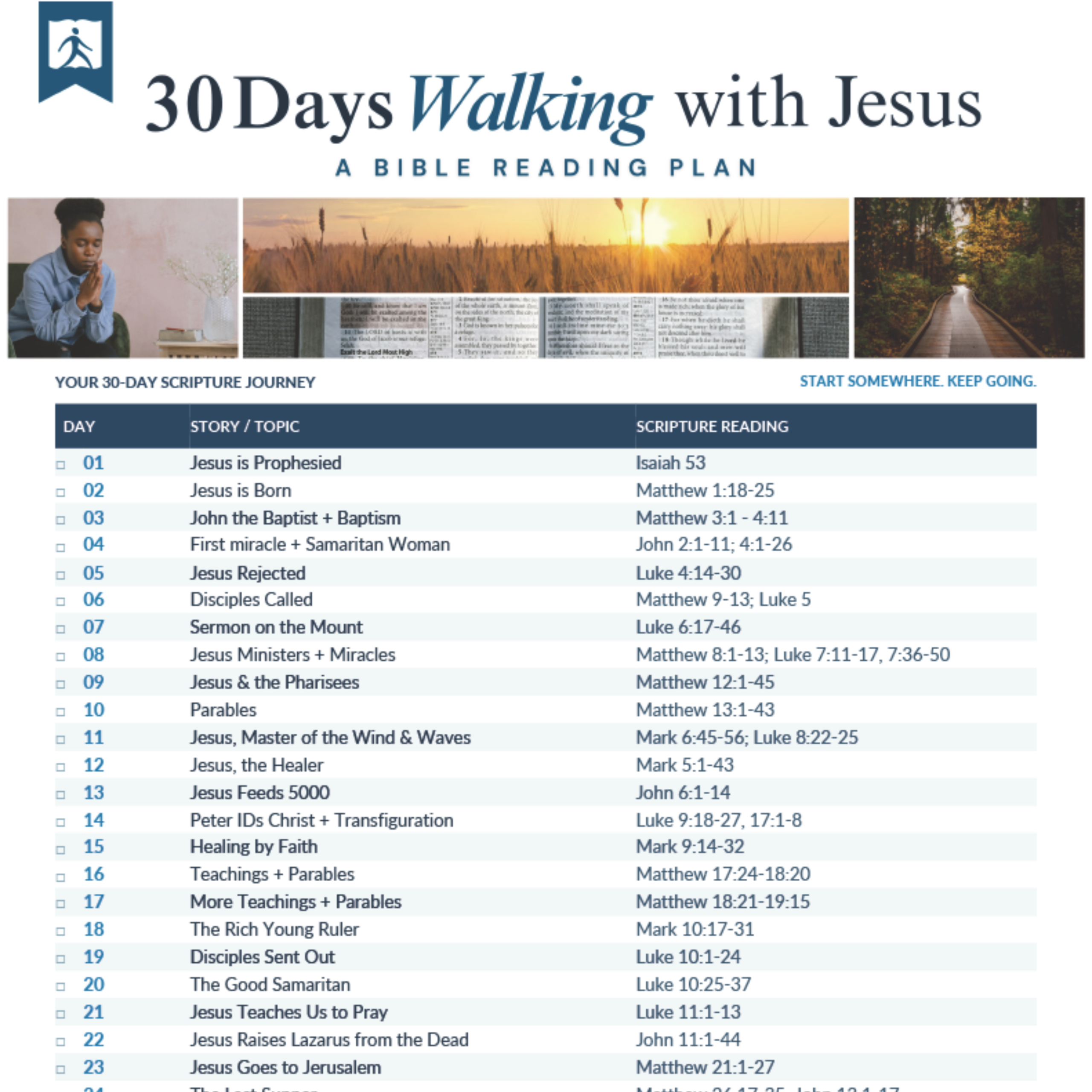
30 Days Walking with Jesus
This printable plan guides readers through key moments in Jesus’ life. It is a natural next step for someone who wants to begin engaging with Scripture.

Learn to Study the Bible
Discover a repeatable process for studying Scripture through an introductory session, four 14-minute videos, and a free guide.
Additional Articles
Biblical Character: The Fruit of the Spirit in Everyday Life
Read More
Renewing Your Mind: How God’s Word Changes the Way You Think
On this page Real transformation begins in the mind Same circumstances, different perspectives Three ways God’s Word changes our thinking How can you begin renewing your mind? What needs to […]
Read More